
Introduction
In automotive programs, sealing rarely gets the spotlight. Until something goes wrong. A door whistle at highway speed. Moisture creeping into a battery pack. Unexpected NVH complaints during validation. Suddenly, a rubber profile that looked “minor” on a drawing becomes a major issue across cost, timelines, and warranty risk.
That’s why rubber extrusions matter far more today than they did even a decade ago. And with EV platforms pushing tighter tolerances, quieter cabins, and higher electrical sensitivity, OEMs can’t afford to treat sealing as an afterthought anymore.
This article isn’t theory. It’s a practical look at how rubber extrusions actually behave in automotive and EV environments — and what OEMs should be paying attention to before tooling is frozen.
Related Topic : How to Choose the Right Rubber Diaphragm for Your Industrial Needs
Rubber Extrusions: Simple Process, Serious Responsibility
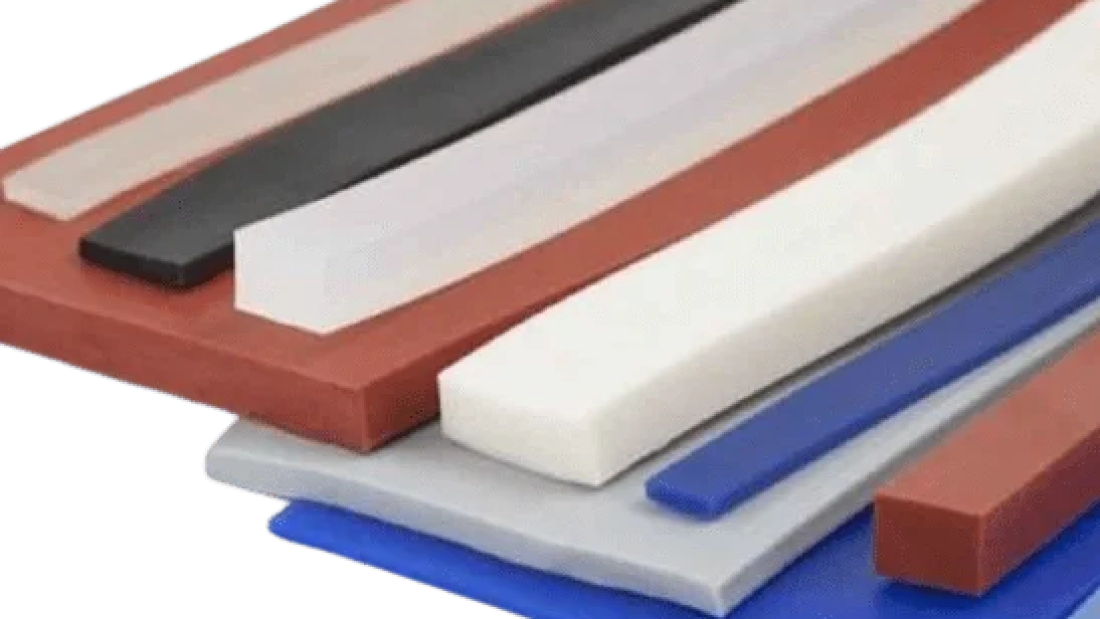
At its core, rubber extrusion is straightforward. Rubber compound goes into an extruder, passes through a shaped die, and comes out as a continuous profile.
What’s not simple is what that profile has to survive.
In a vehicle, an extruded seal isn’t just sitting there. It’s compressed, released, exposed to heat, cold, UV, road grime, vibration, and repeated mechanical movement — often all at once.
That’s why extrusions are used in places like:
-
Door and window sealing systems
-
Glass run and glazing channels
-
Hood and tailgate interfaces
-
Under-hood protection and routing
-
EV cable and connector sealing
-
NVH isolation zones
A good extrusion quietly does its job for years. A bad one announces itself very loudly — usually during road testing or after launch.
Why EVs Changed the Rules for Sealing
EVs didn’t just replace engines with batteries. They changed what “good sealing” means.
In ICE vehicles, engine noise covered a lot of sins. Minor air leaks? Often unnoticed. In EVs, that same leak turns into a clear wind hiss at 80 km/h. Customers notice. Engineers scramble. Then there’s the battery.
Battery enclosures demand:
-
Consistent compression across long sealing paths
-
Resistance to moisture ingress
-
Stability across wide temperature swings
-
Compatibility with electrical insulation requirements
Add to that the push for lighter vehicles and improved aerodynamics, and suddenly rubber extrusions become part of the range conversation, not just the comfort conversation.
Material Selection: Where Most Problems Begin (or End)
Ask any experienced automotive engineer where sealing issues start, and you’ll hear the same answer: material choice.
EPDM: Still the Backbone of Automotive Sealing
EPDM hasn’t dominated automotive sealing by accident. It handles weather, UV, ozone, and long-term outdoor exposure better than most elastomers at a reasonable cost.
That’s why EPDM is still the default for:
-
Door and window weatherstrips
-
Body seals
-
Exterior-facing extrusion profiles
For high-volume programs, EPDM offers predictability — and predictability matters more than novelty.
Silicone: The EV Enabler
Silicone shows up where EPDM starts to struggle.
High temperatures. Electrical insulation. Battery systems. Charging components.
Silicone extrusions are common around:
-
Battery packs and covers
-
High-voltage cable routing
-
Thermal management areas
They cost more, yes. But in EV applications, the cost of failure is far higher.
Nitrile (NBR): Still Relevant, Just More Selective
Nitrile hasn’t disappeared. It’s simply become more targeted.
Where oils, greases, or specific fluids are involved — particularly under the hood or in hybrid systems — NBR extrusions still make sense.
TPV and TPE: Lightweight, But Not a Free Upgrade
OEMs like TPVs and TPEs for one main reason: weight reduction and recyclability.
They’re increasingly used in:
-
Integrated sealing and trim components
-
Lightweight EV platforms
That said, they don’t behave exactly like traditional rubber. Treating them as a one-to-one replacement is where teams get into trouble.
Inflatable Seals: Not Common, But Very Useful When Needed
Inflatable seals don’t belong everywhere. But where they’re used, they solve problems static seals can’t.
Instead of relying on a fixed profile, inflatable seals expand under pressure. That allows them to accommodate:
-
Variable gaps
-
Tolerance stack-ups
-
Surface irregularities
In automotive and EV contexts, they show up in:
-
Battery enclosures
-
Access panels
-
Validation and testing setups
They add complexity and require control systems, so OEMs use them selectively. But in the right application, they reduce risk rather than add it.
Manufacturing Reality: Design Is Only Half the Story
A seal can look perfect on a CAD screen and still fail in production.
That’s why OEMs are paying closer attention to how extrusions are made, not just what they’re made from.
Modern extrusion lines increasingly use:
-
Real-time dimensional monitoring
-
Process stability tracking
-
Predictive maintenance systems
On the design side, simulation tools now help engineers understand material flow and compression behavior before cutting steel.
And sustainability — once a checkbox — is now part of supplier audits. Recycled content, energy use, and emissions all factor into long-term sourcing decisions.
Frequently Asked Questions
EPDM remains the industry standard due to its durability and weather resistance.
Because EVs are quieter, more sensitive to airflow, and rely heavily on protected electrical systems.
Yes, but mainly in specialized applications such as battery enclosures or access panels.
Silicone is better for high-temperature and electrical zones; EPDM is still ideal for exterior sealing.
With proper design and material selection, 10–15 years is a realistic expectation.
What OEMs Actually Check Before Approval
Before a rubber extrusion gets signed off, it’s put through a lot more than a visual inspection.
OEM teams look at:
-
Compression set after aging
-
Dimensional consistency across batches
-
Splice quality and surface finish
-
Heat, chemical, and weather resistance
-
Compliance with internal and regulatory standards
Failures here don’t just cause leaks. They cause rework, delayed SOPs, and warranty exposure.
Choosing an Extrusion Partner (Not Just a Part)
From an OEM perspective, the extrusion supplier is part of the engineering team — whether they like it or not.
Strong partners bring:
-
Custom profile development capability
-
Automotive and EV program experience
-
Material know-how beyond datasheets
-
In-house tooling and process control
-
The ability to scale without surprises
Weak partners deliver parts. Strong partners prevent problems.
Final Thought
Rubber extrusions rarely get credit when they work — but they always get blamed when they don’t.
In today’s automotive and EV landscape, sealing decisions affect comfort, safety, efficiency, and brand perception. OEMs that treat rubber extrusions as a strategic system, not a commodity, avoid expensive lessons later in the program.
The smartest teams invest time here early — and sleep better after SOP.


Add a Comment