
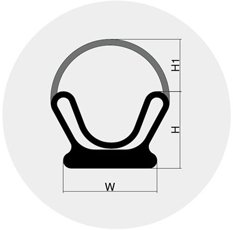
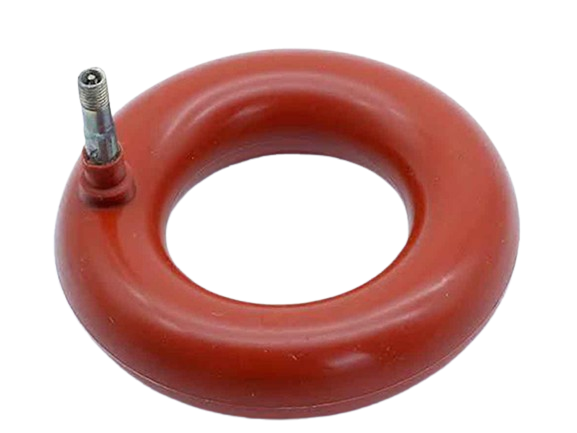
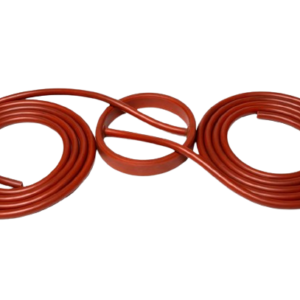
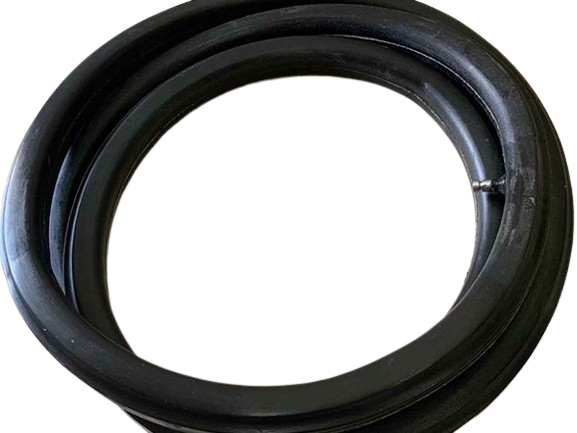
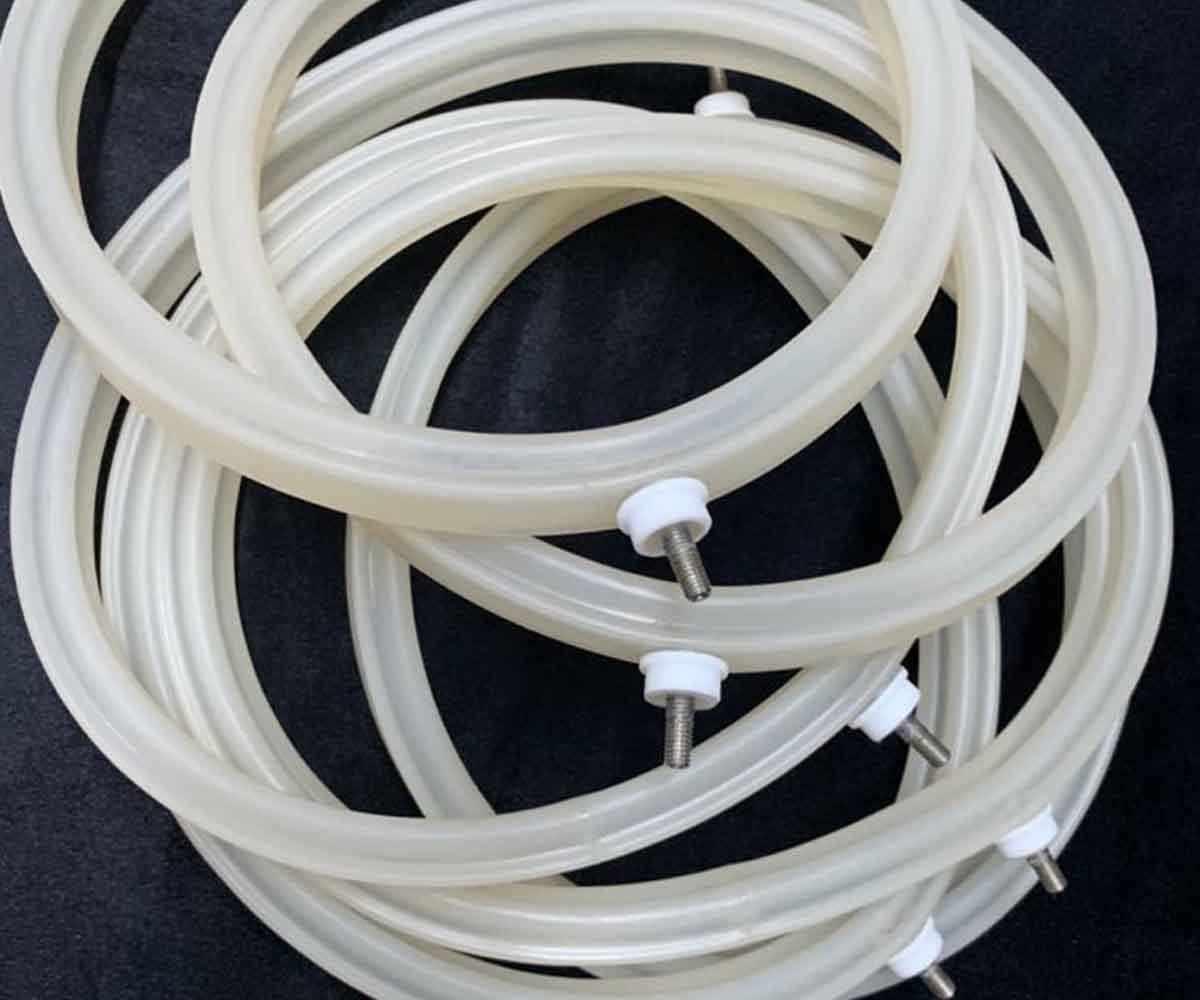
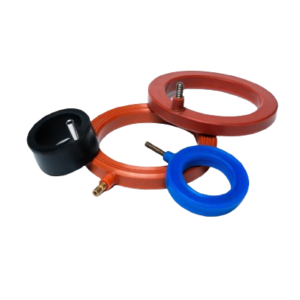
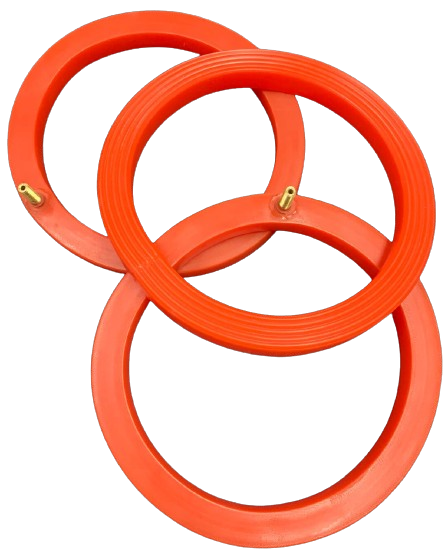
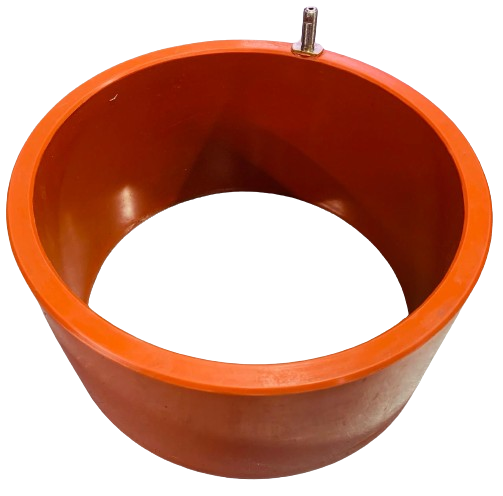
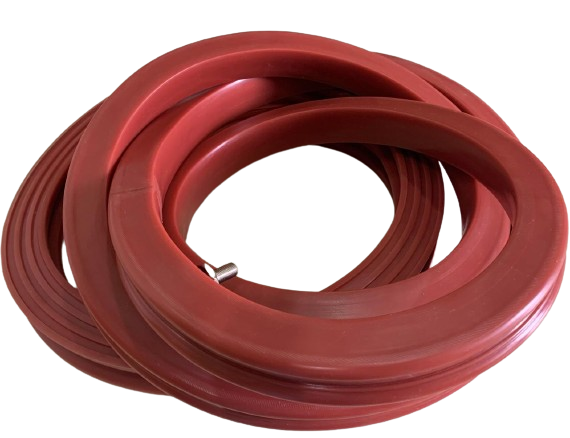
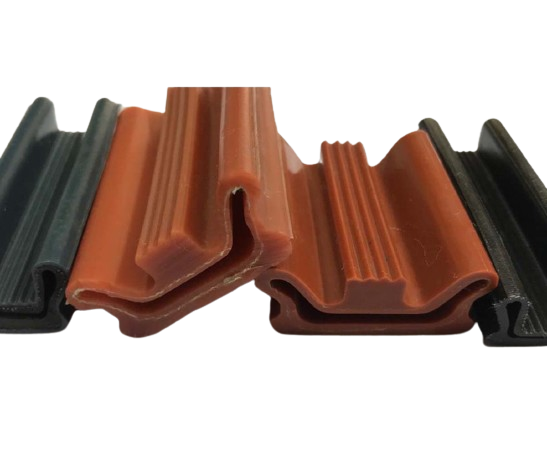
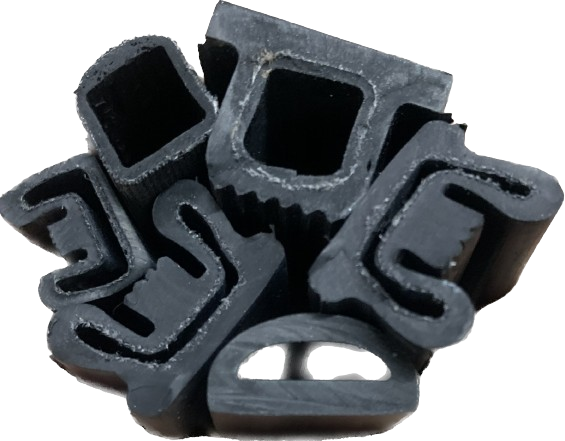
Wespo Inflatable door seal is elastomeric tube or with reinforced (depend on pressure) custom molded in a round concave, convoluted or flat configuration . it is designed to round out with the introduction of an inflation medium to form a tight barrier between a mounting and striking surface.
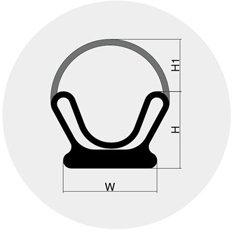
Fabric Reinforced Inflatable Seal
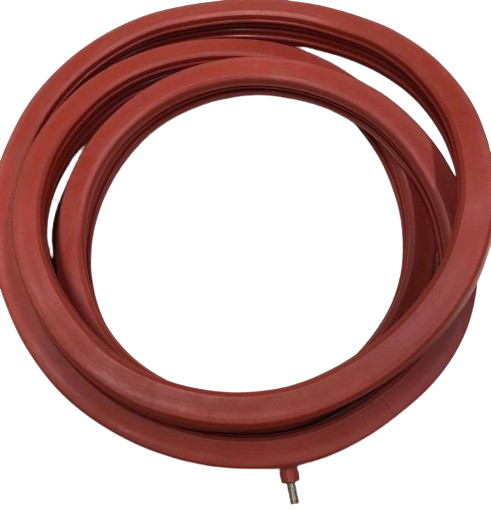
A fabric reinforced seal is a completely molded seal which is built around the same operating principles as a homogeneous inflatable seal. The addition of fabric helps increase the amount of internal pressure by which the seal can operate, where higher pressures are required in a non-enclosed form.
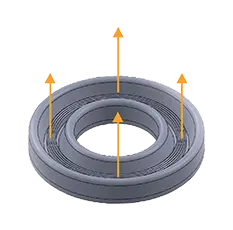
Axial
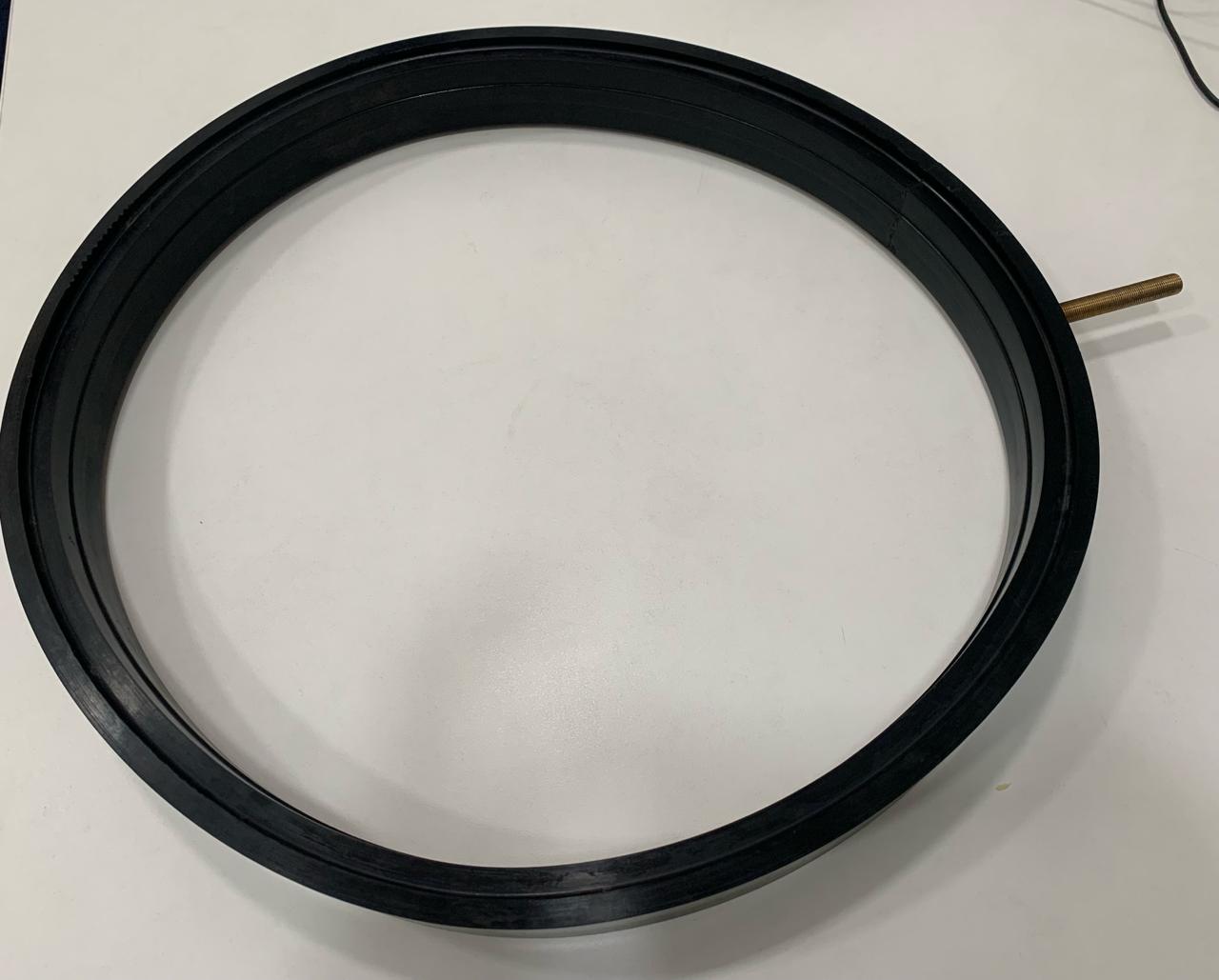
Axially expanding Inflatable Seals have the centerline diameter as the fixed dimension. The Inflatable Seal expands in the perpendicular direction with respect to the diameter. These seals are sometimes also referred to as face seals.
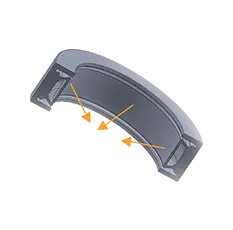
Radial-Outward
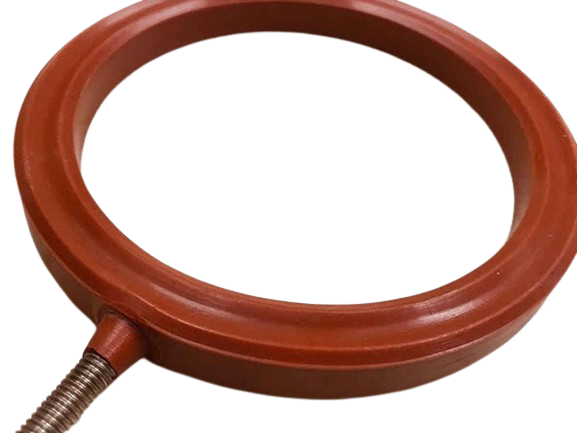
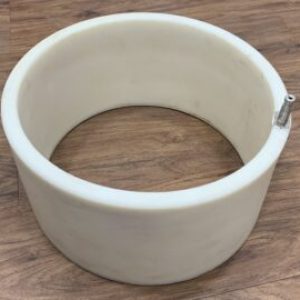
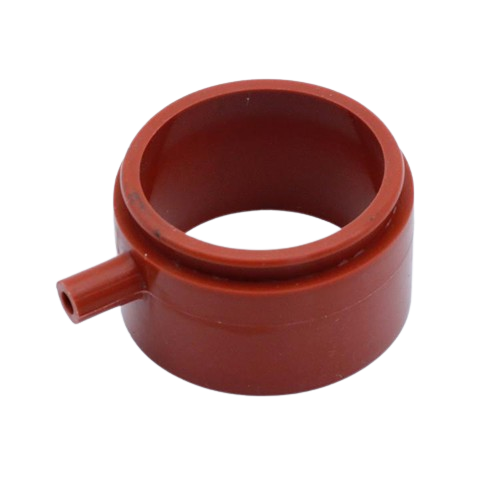
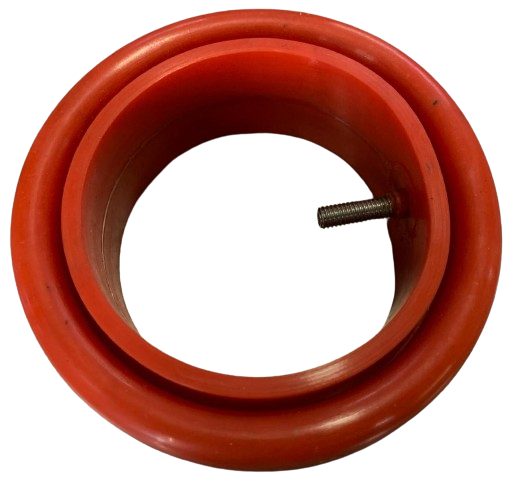
Seals expanding radially outward have the Air Inlet Valves(AIV) typically installed into a channel with the inside diameter (ID) as the fixed dimension.
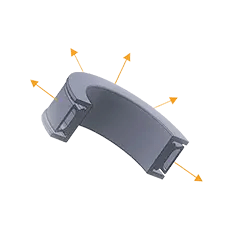
Radial-Inward
Inflatable seals with small outside diameters may end up wrinkling with this kind of expansion. Seals expanding radially inward have Air Inlet Valves(AIV) typically installed into a channel with the outside diameter (OD).
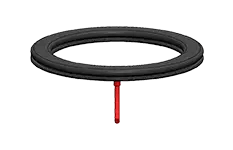
Circular
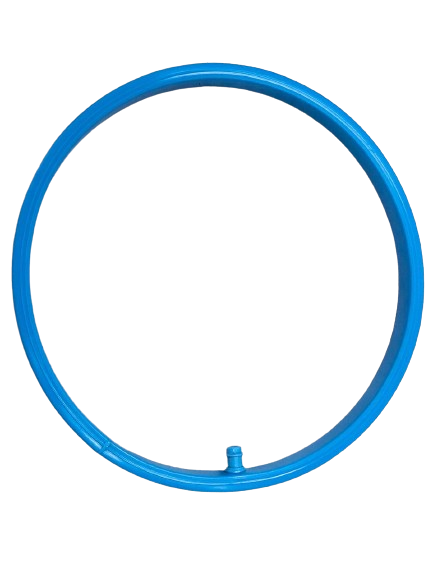
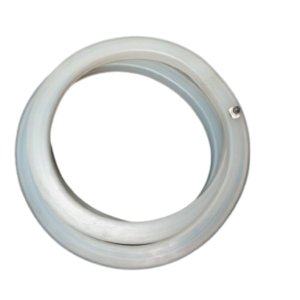
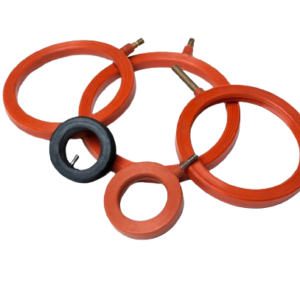
Inflatable Seals with circular geometry are the most commonly used seals owing to their wide application. Circular Inflatable Seals are the mostly preferred in manhole covers, hopper seals or in industrial machinery like fluidized bed dryers, autoclaves; where in the machines are made in circular dimensions.
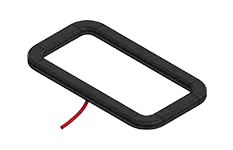
Rectangle
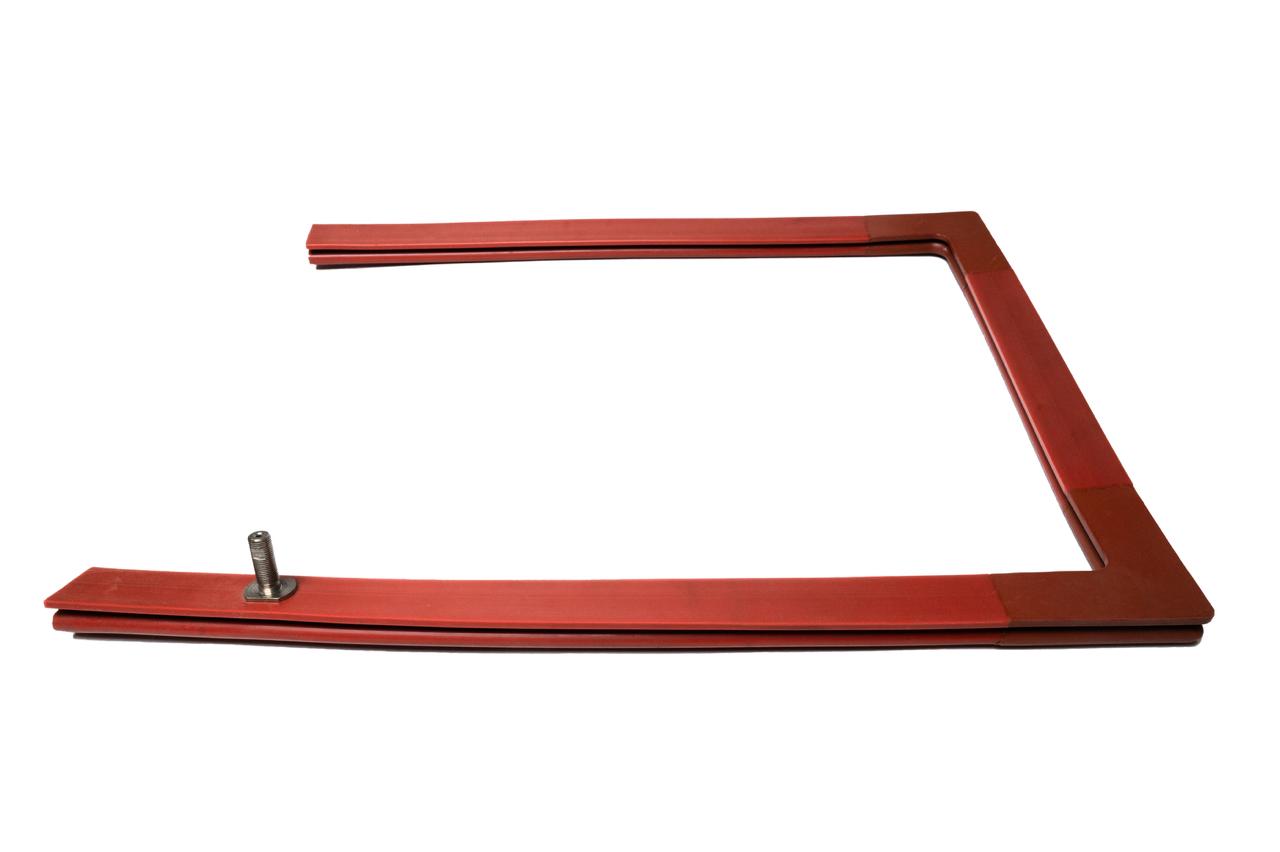
Rectangular Inflatable Seals are very commonly found in door applications like doors for clean rooms, nuclear facility, satellite testing facility, etc. Please note, Western Rubbers’ does not fabricate rectangular seals with tight radiused corners. This is to ensure the seal expansion is not compromised at any point.
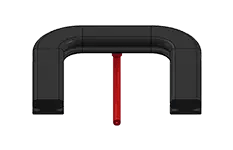
U Shaped
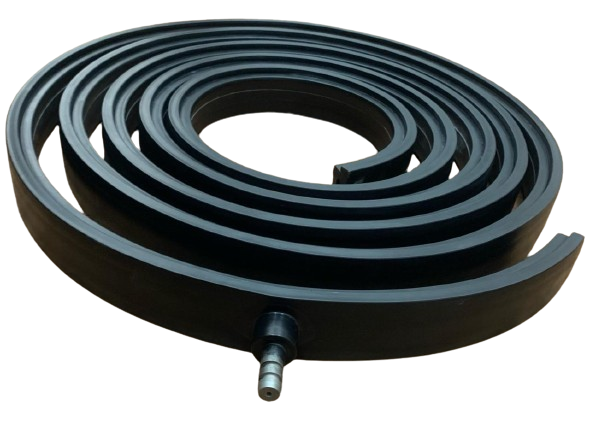
U shaped Inflatable Seals are a common configuration in inflatable gate seals. Ends of u-shaped seals are vulcanized and hence cannot inflate. The uninflated portion of the seal depends upon the seal profile and application. Appropriate retention mechanisms for this configuration is available at Western Rubbers.
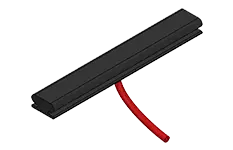
Strip
Inflatable seals with straight configurations are most commonly found in clamps and actuators. Straight seals have vulcanized ends that do not expand. The amount of uninflated area in straight seals depends on profile and application. We provide retention mechanisms that work well for straight seals.











Inflatable Seals for Bulk Material Handling
Bulk Material Handling Inflatable seals have high abrasion resistance to increase performance and seal like especially for highly abrasive applications like Bulk Bag Filling and Drum Filling. Major OEMs have also started to switch from standard inflatable seals to Fabric Reinforced Seals longer cycle like reducing their equipment downtime .

Inflatable Seals for Critical Doors
Seperate Page ( nuclear power plant, Gas tight doors, Satellite Vibration testing facility, Jet Propulsion Lab Doors.

Inflatable Seals for Vaccuum Impregnation Equipments
Automotive and critical engineering castings need a specialised impregnation treatment to ensure no porosi ty or failure of the castings. These opertations are carried out in Vacuum conditions needing Inflatable Seals to ensure air tight sealing

Fabric Reinforced EPDM Inflatable seal for Nuclear Power Plants
Western Polyrub Inflatable Seals manufactured for the nuclear facility are radiation tested. Designed to be resilient to radiation ensure leak proof sealing in extrement conditions .

USP class Vl Inflatable Seal for Pharmaceutical Equipments
Silicone Inflatable Seals for Medical and Phamaceutical application meets US FDA, USP CLASS Vl and EU pharmacopoeia requirements. Some of the applications included Fludised Bed Dryers/processors, Glove box Isolators, Tablet Coater, Clean Room Doors, Laboratory Automation Equipments.

Semiconductor Equipment Inflatable Seals
Inflatable Seals for the semiconductor industry are designed with fabric reinforced for vey high cycle life. These are specifically packed in clean room enviroments for highly critical semiconductor manufacturing facilities. These inflatable seals are used in Lithography Equipment , Load lock equipments, CVD/ PEVD equipment seal, Fabrication Units, Etching, Deposition and Implantation equipments.

Inflatable Seals for Aerospace and Defence
These custom made large fabric reinforced seals are designed with extreme temperature and moisture condition encountered in aerospace applications. Seals are made from Silicone and Flurosilicone for high durability and performance Some applications include Canopy of figter jets, Door Hanger seals, Passenger aircraft door seal, satellite transportation container seals.

Inflatable Seals for Marine Applications
Inflatable Seals for Marine applications have custom compounds of EPDM and Neoprene keeping in mind the highly Saline and Corrosive enviroment of the Sea. Inflatable Seals are made fo Hatches and Doors, Superyachts, propellor shafts, Sub sea equipments.