
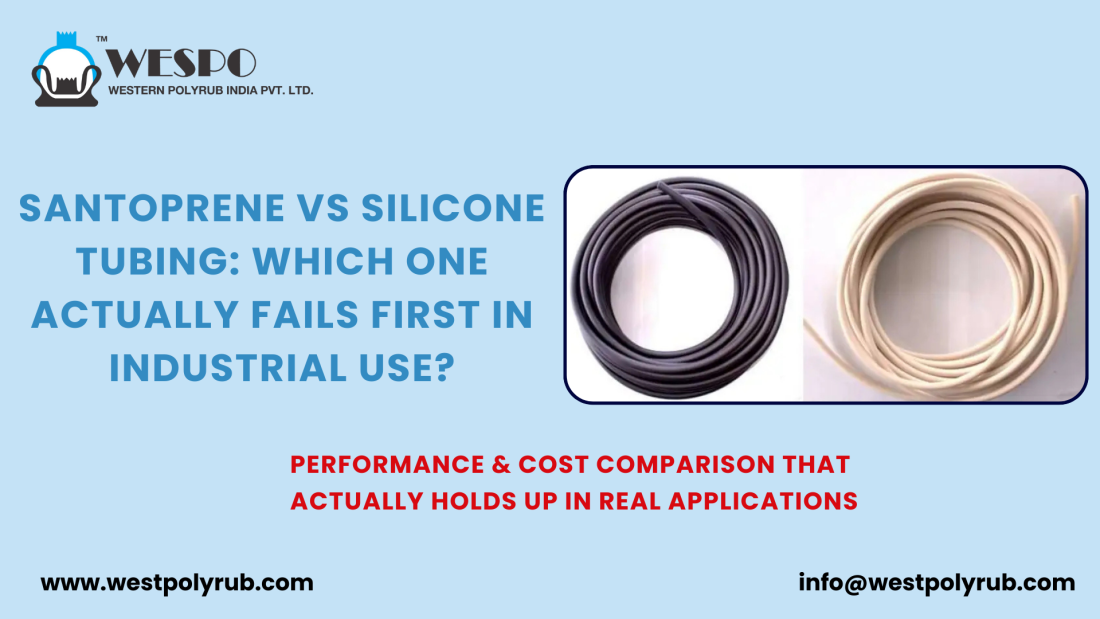
Santoprene vs Silicone Tubing: Performance & Cost Comparison That Actually Holds Up in Real Applications
Choosing tubing material looks simple on paper.
In reality, it’s one of those decisions that only feels obvious after something goes wrong.
Leaks. Premature wear. Unexpected downtime.
Most of the time, the problem isn’t installation—it’s the material choice made weeks earlier.
When engineers and buyers shortlist flexible tubing, the conversation almost always lands on Santoprene tubing vs silicone tubing. Both are common. Both are proven. And both fail for very different reasons.
This guide doesn’t repeat datasheets.
It explains how these materials behave once they’re installed, stressed, cleaned, flexed, and ignored for months.
Understanding Santoprene Tubing
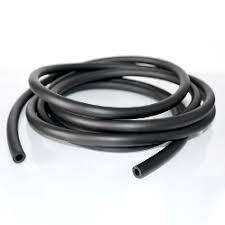
Santoprene isn’t “just another rubber.”
It’s a thermoplastic vulcanizate, which basically means it behaves like rubber but processes like plastic.
In practical terms, Santoprene tubing is chosen because it:
Bends without cracking
Resists abrasion better than most soft elastomers
Handles oils, greases, and industrial fluids well
Survives constant movement without tearing
Can be extruded and recycled more efficiently
That’s why you’ll see Santoprene tubing quietly doing its job in automation lines, pneumatic systems, automotive assemblies, and industrial fluid transfer setups—places where tubing moves, rubs, and gets abused daily.
What Makes Silicone Tubing Different?
Silicone tubing plays a completely different game.
It’s not trying to win on toughness.
It wins on stability.
Silicone remains flexible in conditions that would destroy many other materials. It doesn’t react easily. It doesn’t degrade quickly with age. And most importantly, it handles heat and sterilization cycles extremely well.
That’s why silicone tubing dominates in:
Medical equipment
Pharmaceutical processing
Food and beverage systems
Cleanroom and sterile environments
If the application involves steam, autoclaving, or repeated thermal cycling, silicone usually enters the conversation first.
Temperature Resistance: Where the Gap Becomes Obvious
This is where most comparisons start—and for good reason.
Silicone tubing comfortably handles continuous high temperatures. It stays flexible even after repeated exposure to heat and steam, which is why it survives sterilization cycles that would harden or deform other materials.
Santoprene tubing performs well across typical industrial temperature ranges but isn’t designed for long-term exposure to extreme heat or aggressive steam environments.
Simple rule of thumb:
If heat is the main enemy → silicone wins.
If heat is moderate and everything else is harsh → Santoprene starts looking smarter.
Flexing, Movement, and Real-World Fatigue
On paper, both materials are “flexible.”
In practice, flexibility under motion is where failures quietly start.
Santoprene tubing handles:
Repeated bending
Continuous vibration
Robotic or mechanical movement
Tight routing with less surface damage
Silicone tubing stays soft, but its surface wears faster when it’s constantly moving or clamped. Over time, this can lead to abrasion, thinning, or tearing—especially in automation-heavy setups.
If tubing is static, silicone is fine.
If it’s moving all day, Santoprene usually lasts longer.
Chemical Resistance: Not All Fluids Are Equal
This is where assumptions cause expensive mistakes.
Santoprene tubing generally performs well with:
Oils and lubricants
Fuels
Many industrial chemicals
Silicone tubing prefers:
Water-based fluids
Mild chemicals
Food-grade or pharmaceutical media
Silicone can swell or degrade when exposed to certain solvents or hydrocarbons. That doesn’t mean it’s weak—it just means it’s selective.
Bottom line:
Chemical compatibility matters more than brand reputation. Always match the fluid to the material, not the other way around.
Abrasion and Surface Wear: The Quiet Failure Mode
Many tubing failures don’t look dramatic.
They look like slow surface wear that no one notices—until it’s too late.
Santoprene has a tougher outer skin. It tolerates friction, rubbing, and contact points better over time. This makes it a safer choice in industrial layouts where tubing brushes against metal frames or moving parts.
Silicone’s softer surface can wear faster in the same conditions, even though it remains flexible.
Cost: Looking Past Price Per Meter
Here’s where people often get it wrong.
Yes, silicone tubing usually costs more upfront.
But cost alone doesn’t tell you much.
Silicone’s price reflects:
Material purity
Compliance requirements
Specialized processing
Santoprene often offers:
Lower initial material cost
Faster fabrication
Longer service life in dynamic systems
When you factor in replacements, downtime, and maintenance, Santoprene frequently ends up cheaper for industrial use—even if silicone looked “premium” at the start.
Compliance and Industry Expectations
Sometimes the decision isn’t yours to make.
Silicone tubing is widely accepted (and often expected) in:
Medical devices
Pharmaceutical equipment
Food processing lines
Santoprene tubing is commonly specified for:
Automotive systems
Industrial machinery
Pneumatic and automation setups
Both materials can meet regulatory requirements—but silicone still dominates where sterility and purity are non-negotiable.
Application-Based Reality Check
Industrial Automation & Pneumatics
Santoprene tubing holds up better due to abrasion resistance and fatigue strength.
Medical & Sterilization Systems
Silicone tubing remains the safer, more predictable choice.
Chemical Transfer
Santoprene often performs better with oils and aggressive industrial fluids.
Food Processing
Both are used—selection depends on cleaning temperature and cycle frequency.
A Practical Way to Choose
Use this checklist:
Steam or autoclaving → Silicone tubing
Continuous flexing or vibration → Santoprene tubing
Oil or fuel exposure → Santoprene tubing
Medical or food compliance → Silicone tubing
Cost-sensitive industrial systems → Santoprene tubing
It’s not about which material is “better.”
It’s about which one fails last in your environment.
Frequently Asked Questions - Santoprene vs Silicone Tubing
Santoprene focuses on mechanical durability and chemical resistance, while silicone excels at temperature stability and inertness.
Santoprene often lasts longer in moving systems. Silicone lasts longer in hot, static environments.
For continuous high heat or sterilization, yes.
Yes, especially oils and fuels—but compatibility testing is essential.
For industrial automation and fluid handling, Santoprene usually delivers lower lifecycle cost.
Talk to a Material Expert Before You Lock It In
If tubing failure would stop production, guesswork isn’t worth the risk.
We help OEMs and industrial buyers with material selection, custom tubing extrusion, and application-specific guidance—so the tubing you install lasts as long as it should.
👉 Request a material consultation
👉 Get samples for testing
👉 Compare options before committing


Add a Comment